Artificial Intelligence
Unlocking the Potential of Physical AI for Founders
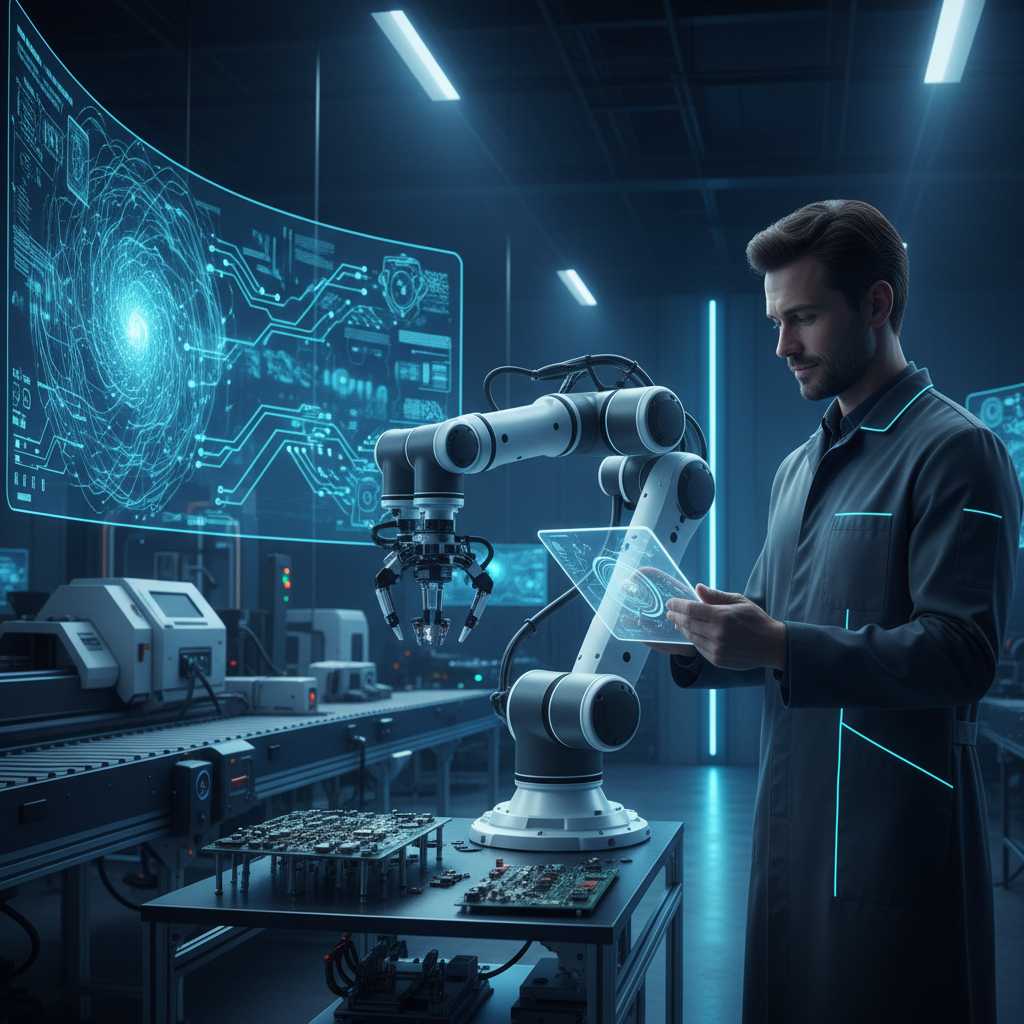
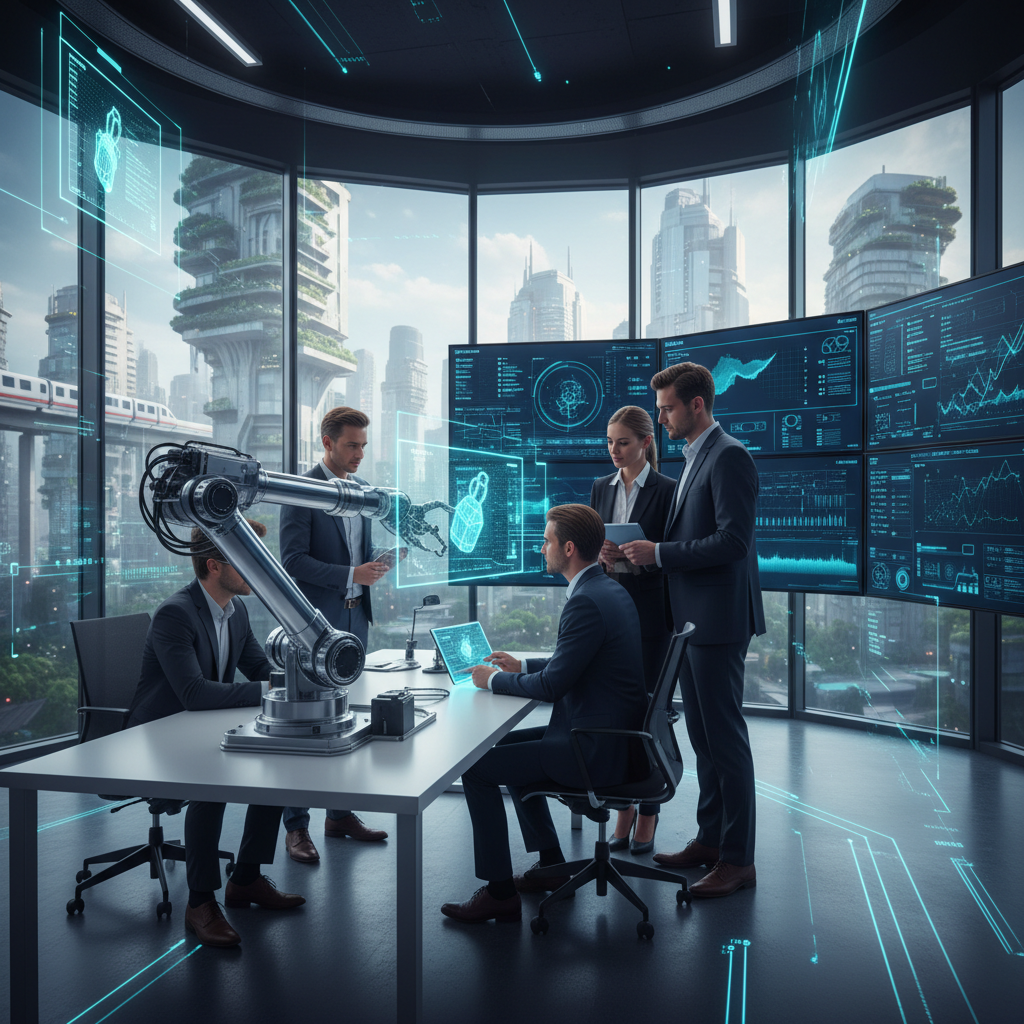
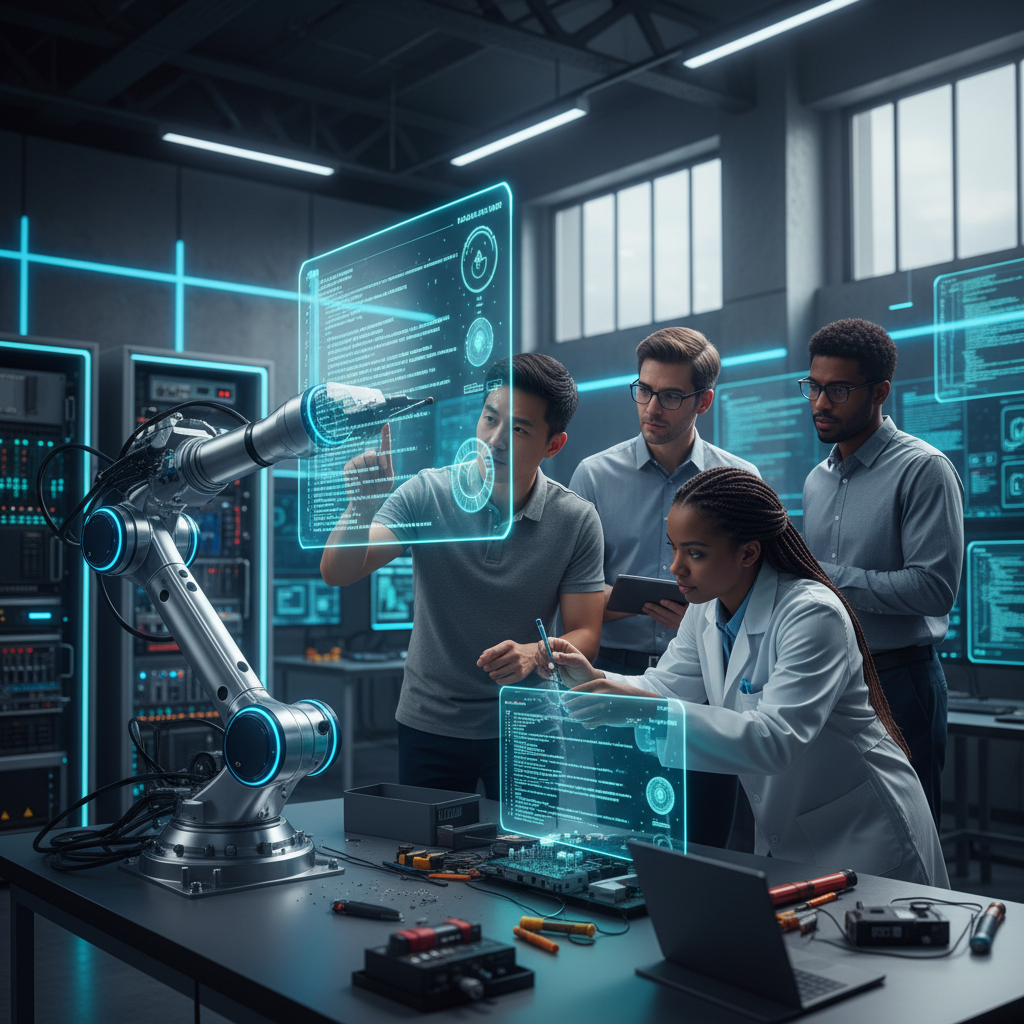
The evolution of Artificial Intelligence has largely been defined by its prowess in the digital realm—processing data, generating content, and optimizing algorithms within the confines of servers and screens. However, a significant paradigm shift is underway: the emergence and rapid maturation of Physical AI. This domain focuses on the integration of AI with physical systems, enabling machines to perceive, reason, and act autonomously in the real world. Think of intelligent robots in manufacturing, autonomous vehicles navigating complex environments, or surgical robots assisting physicians with unparalleled precision. For founders, Physical AI represents not just a technological advancement, but a profound opportunity to address some of the most pressing challenges across industries.
Developing solutions in Physical AI requires a unique blend of expertise: deep understanding of AI algorithms, robust engineering skills, and a pragmatic approach to real-world deployment. Unlike purely software-based AI, errors in Physical AI can have immediate, tangible, and often costly consequences. This necessitates a rigorous approach to design, testing, and deployment, emphasizing safety, reliability, and human-machine collaboration. This article will explore the core components of Physical AI, identify critical areas for innovation, and provide actionable insights for founders looking to build enduring companies in this transformative space.
Defining Physical AI: Beyond the Algorithm
Physical AI extends the capabilities of traditional AI by endowing physical systems with intelligence, autonomy, and adaptability. It's about AI moving off the cloud and into the factory floor, the operating room, the logistics warehouse, and even our homes. The essence of Physical AI lies in its ability to interact with and modify the physical environment, using sensors to gather data, AI models to interpret that data and make decisions, and actuators to execute actions.
Key characteristics of Physical AI systems often include:
- Perception: Using sensors (cameras, LiDAR, radar, haptics, etc.) to understand the environment.
- Cognition/Reasoning: AI algorithms (deep learning, reinforcement learning, symbolic AI) to process sensory input, predict outcomes, and plan actions.
- Action/Manipulation: Actuators (robot arms, wheels, grippers) to perform physical tasks.
- Autonomy: The ability to operate independently, adapt to changing conditions, and learn from experience.
- Human-Robot Interaction: Designing systems that can safely and effectively collaborate with humans.
Consider the evolution of an automated factory. Early automation involved fixed, repetitive tasks. Physical AI introduces robots that can adapt to changing product designs, collaborate with human workers on complex assembly, or even perform delicate manipulation tasks previously only possible by skilled artisans. This integration of intelligence with physical form factor is what distinguishes Physical AI as a distinct and powerful domain.
Strategic Entry Points for Physical AI Founders
For founders, identifying viable entry points in Physical AI requires careful market analysis and an understanding of where current technologies fall short. Instead of attempting to build a generalized intelligent robot, focus on specific, high-value problem spaces.
1. Automation of Tedious, Repetitive, or Hazardous Tasks: Many industries still rely on manual labor for tasks that are dull, dirty, or dangerous. Physical AI, particularly in robotics, offers significant opportunities here.
- Agriculture: Autonomous harvesting robots, precision spraying drones.
- Logistics: Intelligent sorting robots, last-mile delivery drones.
- Manufacturing: Collaborative robots (cobots) for assembly, quality inspection robots.
- Infrastructure Inspection: Drones for inspecting bridges, pipelines, wind turbines.
2. Augmentation of Human Capabilities: Physical AI can enhance human performance and extend our reach, rather than replacing us entirely. This often leads to faster adoption and better human-machine collaboration.
- Healthcare: Robotic surgical assistants (e.g., Intuitive Surgical's da Vinci system), intelligent prosthetics, rehabilitation robots.
- Exploration: Remotely operated vehicles (ROVs) for deep-sea or space exploration, intelligent drones for scientific data collection.
- Accessibility: Exoskeletons for mobility assistance, smart assistive devices.
3. Creation of Entirely New Products and Services: Some Physical AI applications create markets that didn't exist before, often leveraging novel combinations of sensing, AI, and physical interaction.
- Personal Robotics: Domestic robots for specific tasks (e.g., robot vacuum cleaners), educational robots.
- Autonomous Systems: Self-driving vehicles (Tesla, Waymo), autonomous ships or aircraft.
- Smart Infrastructure: Intelligent traffic management systems, adaptive building controls.
Founders should look for sectors with significant labor shortages, high error rates, or unsafe working conditions. These are often indicators of a strong market need that Physical AI can address effectively.
A Framework for Physical AI Product Development
Building a successful Physical AI product involves navigating a complex landscape of hardware, software, and real-world interaction. The following framework outlines key considerations:
1. Problem-Centric Design:
- Identify a critical, unmet need: Don't start with technology; start with a pain point that a physical AI solution can uniquely solve. What are people struggling with? Where are inefficiencies costing significant resources?
- Quantify the impact: How much time, money, or risk can your solution save? This helps validate your product's value proposition.
- Define clear operational boundaries: Where will your system operate? What are the environmental conditions? What are the acceptable failure rates?
2. Hardware-Software Co-Design:
- Integrated approach: Hardware and software must be developed in tandem. The choice of sensors, actuators, and processing units directly impacts the AI algorithms' effectiveness and vice versa.
- Modularity and upgradeability: Design for future improvements. Can you swap out sensors? Upgrade the AI chip? This extends product life and reduces future development costs.
- Robustness and reliability: Physical AI operates in the real world. Hardware must withstand varying temperatures, vibrations, dust, and potential impacts. Software must be fault-tolerant.
3. Data Acquisition and Curation Strategy:
- Real-world data is king: Synthetic data can help, but nothing replaces diverse, high-quality data collected from the actual operational environment. This includes corner cases and failure modes.
- Annotation and labeling: Develop efficient and scalable processes for annotating sensor data (images, LiDAR point clouds, audio) to train your AI models.
- Data privacy and security: Implement robust protocols, especially for systems handling sensitive information or operating in public spaces.
4. Safety and Regulatory Compliance:
- Safety-first design: For any physical system interacting with humans or critical infrastructure, safety must be paramount. This includes hardware redundancies, fail-safes, and emergency stops.
- Understand regulatory landscapes: Industries like automotive, aerospace, and healthcare have stringent regulations. Engage with regulatory bodies early to ensure compliance and avoid costly delays.
- Ethical considerations: Address potential biases in AI models, ensure transparency, and consider the societal impact of your physical AI system.
5. Iterative Prototyping and Testing:
- Start simple, iterate often: Begin with a minimal viable product (MVP) that demonstrates the core functionality. Get it into the hands of early users or testers.
- Simulations and digital twins: Leverage simulation environments to test algorithms and hardware designs virtually, reducing the cost and risk of physical testing.
- Field testing: Crucially, deploy and test your prototypes in representative real-world environments. Collect feedback, analyze performance metrics, and refine your system continuously.
Common Pitfalls and How to Avoid Them
Founders entering the Physical AI space often encounter unique challenges. Being aware of these can significantly improve your chances of success:
- Underestimating Hardware Complexity: Unlike pure software, hardware development is expensive, time-consuming, and less flexible. Component sourcing, manufacturing tolerances, and supply chain issues can derail timelines. Action: Invest early in experienced hardware engineers and develop robust supply chain relationships.
- Ignoring Real-World Variability: AI models trained on pristine data often struggle in unpredictable real-world environments with noise, occlusions, and unexpected events. Action: Prioritize diverse data collection, robust sensor fusion, and adaptive AI algorithms that can handle uncertainty.
- Neglecting Safety and Reliability from Day One: Retrofitting safety features is far more complex and costly than integrating them from the outset. Action: Adopt a safety-by-design philosophy, conduct rigorous risk assessments, and over-invest in testing protocols.
- Focusing on Technology Over User Needs: Building an impressive robot that doesn't solve a critical user problem is a common mistake. Action: Ground your development in deep customer empathy. Conduct extensive user research and prioritize functionality that delivers tangible value.
- Insufficient Capital for Long Development Cycles: Physical AI ventures typically require more capital and longer development cycles than pure software startups due to hardware costs, testing, and regulatory hurdles. Action: Plan for extended fundraising timelines and demonstrate clear technical and commercial milestones to investors.
Practical Recommendations for Founders This Week
Founders can take concrete steps to advance their Physical AI ventures immediately:
- Deep Dive into a Niche Problem: Instead of broad aspirations, identify a specific, narrow problem within a target industry that is ripe for Physical AI intervention. Can you automate a single, hazardous step in a manufacturing process? Can you improve the precision of a specific agricultural task by 10%?
- Talk to Domain Experts and Potential Customers: Validate your problem statement. Spend a day interviewing at least three people who deeply understand the problem you're trying to solve. What are their existing workarounds? What are their budget constraints? What would they actually pay for?
- Benchmark Existing Solutions (and their failures): Research current automation tools or manual processes. Understand why they succeed or fail. What are their limitations that Physical AI could overcome? This helps define your competitive advantage.
- Sketch Out a Minimal Viable Product (MVP): Outline the absolute core functionality your physical AI system needs to demonstrate value. This isn't about the final product; it's about the simplest embodiment that proves your concept works and addresses the core problem.
- Identify Key Technical Risks: What are the biggest technological unknowns in your proposed solution? Is it a sensor's accuracy in certain conditions? The robustness of a gripping mechanism? The latency of an AI model? Prioritize addressing these risks with small, targeted experiments.
- Begin Building a Multidisciplinary Team: Physical AI requires mechanical engineers, electrical engineers, AI/ML specialists, and software developers. Start identifying the critical roles you'll need and look for individuals with a blend of theoretical knowledge and practical experience.
The Future Trajectory of Physical AI
The trajectory of Physical AI points towards increasingly intelligent, autonomous, and dexterous systems. We will see more widespread adoption of collaborative robots working alongside humans, autonomous agents performing complex tasks in unstructured environments, and personalized physical AI solutions impacting daily life.
Advancements in areas such as neuromorphic computing, soft robotics, and advanced haptics will further blur the lines between intelligent machines and biological systems, opening up unprecedented opportunities. However, realizing this future hinges on robust research, ethical development, and a collaborative ecosystem that supports innovation from ideation to commercialization.
Founders who strategically approach Physical AI with a clear problem focus, a commitment to safety, and a multidisciplinary team will be well-positioned to lead the next wave of industrial and societal transformation. The real world is the ultimate proving ground for AI, and those who master its complexities will build the companies of tomorrow.
How Synapses Ventures Can Help
Synapses Ventures partners with founders, researchers, entrepreneurs, and innovators to transform breakthrough ideas in Physical AI and other deep technologies into scalable ventures. Our approach focuses on providing the strategic guidance and foundational support necessary to navigate the complex journey from concept to market leadership. We collaborate on product development, helping to refine your hardware-software co-design, establish robust data acquisition strategies, and integrate advanced AI models into physical systems. Through our venture building platform, we assist with commercialization strategies, connecting you with industry experts, potential customers, and critical supply chain partners. We also facilitate access to capital and leverage our global networks to accelerate your growth. Our objective is to empower teams to build resilient, impactful companies that redefine industries by harnessing the power of Physical AI.
Share this article
Unlocking the Potential of Physical AI for Founders

Physical AI is moving beyond data centers into the real world, promising to transform industries from manufacturing to healthcare.

Inside the piece:
• What actually moves the needle for early-stage founders
• How we apply it across the Synapses venture portfolio
• The practical next step you can take this week

Read the full article → https://synapsesventures.com/s/unlocking-potential-physical-ai-founders

#SynapsesVentures #StartupInsights #VentureCapital #Innovation